
Evidence and data quality
Find and Explain 3D Secure Authentication Records in Dispute Evidence
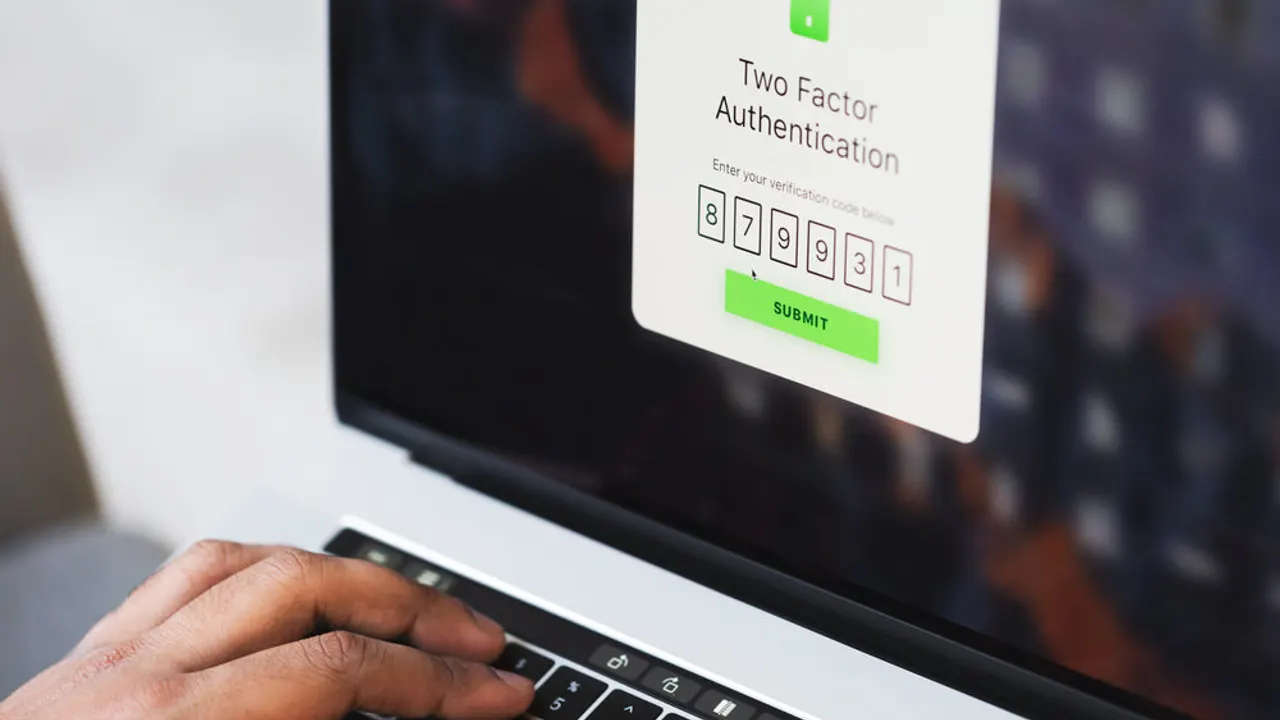
Use the authentication record that your payment processor associates with the disputed transaction. A checkout screenshot showing a security challenge, a customer saying they entered a code, or a successful payment status is not a substitute for the processor’s recorded 3D Secure result.
The evidence task is narrow: identify the authentication outcome, connect it to the correct payment and describe it without expanding its meaning. Authentication concerns a payment event. It does not establish that a parcel arrived, a subscription was canceled correctly or a product matched its description.
Find the record at the payment source
Start with the payment transaction attached to the disputed Shopify order. Record the gateway, payment identifier, amount, currency and transaction time. If the order contains several attempts or captures, identify which one the issuer disputed before searching authentication details.
An order-level note may summarize several payment events. A failed attempt could have completed authentication while the successful charge followed a different route. A later retry can carry different identifiers. The objective is to locate evidence for the actual disputed payment, not any favorable event on the order.
Use the merchant’s processor dashboard or ask its support team for the relevant authentication record. Shopify recognizes 3D Secure records among possible fraud-related evidence, but the available display and export depend on the payment route. Shopify’s fraud evidence guidance
Ask for an export or written processor explanation if the dashboard only shows a simplified status. Do not infer a hidden result from a badge. A support answer should identify the payment it concerns and distinguish what the processor can confirm from what is unavailable.
Preserve the fields and their meaning
The useful record normally has two layers: transaction linkage and authentication details. Linkage explains which payment was checked. Authentication details explain what the payment system recorded. Retain the processor’s exact terminology alongside your plain-language interpretation.
Possible fields include the authentication version, result, timestamp and a processor-provided authentication reference. Availability varies, and a missing field must not be manufactured from another value. If an electronic commerce indicator or cryptographic authentication value appears, ask the processor which representation belongs in merchant evidence and whether it needs redaction.
Do not equate an exemption request, an attempted authentication, a completed challenge and an authentication success. These are different concepts. The processor’s documentation and support team should interpret the actual fields for that integration. Stripe documents 3D Secure outcomes separately from its broader payment state, illustrating why “payment succeeded” is an insufficient description. Stripe’s 3D Secure documentation
Keep the extracted record unchanged. Add your explanation as a caption or cover note, so readers can distinguish the source value from the merchant’s interpretation.
A hypothetical mismatch between attempts
A hypothetical Shopify order contains a declined payment attempt at 09:10 and a successful payment at 09:14. A merchant notices a successful authentication event near the first attempt and writes that the disputed charge was authenticated.
That conclusion is premature. The first record references payment P401, while the dispute references P402. A support review establishes that the later charge has its own authentication result. The merchant replaces the original screenshot with the record associated with P402 and identifies P401 as an unrelated attempt, if explanation is necessary.
The review worksheet could look like this:
| Question | Record to use | Stop condition |
|---|---|---|
| Which payment is disputed? | Dispute-to-payment reference | Only an order number is known |
| Which authentication event belongs to it? | Processor linkage | Reference points to another attempt |
| What result is recorded? | Original result field | Merchant relies on a visual badge alone |
| Who interpreted the field? | Current documentation or support | Meaning is inferred from an unfamiliar code |
| What does the exhibit support? | Narrow factual caption | Caption claims fulfillment or universal protection |
This worksheet is especially useful for orders involving retries, multiple captures or payment changes. It stops a favorable-looking but unrelated record from entering the response.
Write a precise evidence caption
Use language such as: “The attached processor record references payment [reference], which is the payment identified in this dispute. The processor records [exact authentication result] at [timestamp and timezone]. The source and field interpretation are [documentation or support reference].”
If the source includes a separate protection or liability indicator, reproduce its status accurately and ask the provider to confirm its relevance to this dispute condition. Do not collapse authentication and legal responsibility into one sentence. Evaluating the applicable liability rule is a separate task from preparing the authentication exhibit.
If authentication information is unavailable, say that it was not available in the accessible transaction record. That statement differs from saying no authentication occurred. Keep the request to the processor in the case notes, together with any unresolved question and the response owner.
Check the finished extract
A second reviewer should be able to match the exhibit to the disputed amount and transaction without relying on the customer’s full card number. Use the minimum identifiers the processor requires. Exclude unrelated attempts, access tokens and unnecessary customer information from the evidence copy.
Finally, read the surrounding merchant statement. Remove sentences that treat authentication as proof of delivery or satisfaction. The strongest use of a technical record is a precise, attributable claim about that record. It should make the reviewer’s task easier, without asking the record to establish facts it never measured.
Explore the Provider Hub if you need help preparing or defending a dispute; confirm the provider supports your processor and case type.
Related reading in this collection:
- Link a Chargeback to the Correct Shopify Order and Payment Record
- Use Product Photos and Video Stills in Chargeback Evidence
- Missing Chargeback Evidence: Recover Existing Records Without Inventing Facts