
Evidence and data quality
Prepare Return Tracking and Inspection Records for a Chargeback
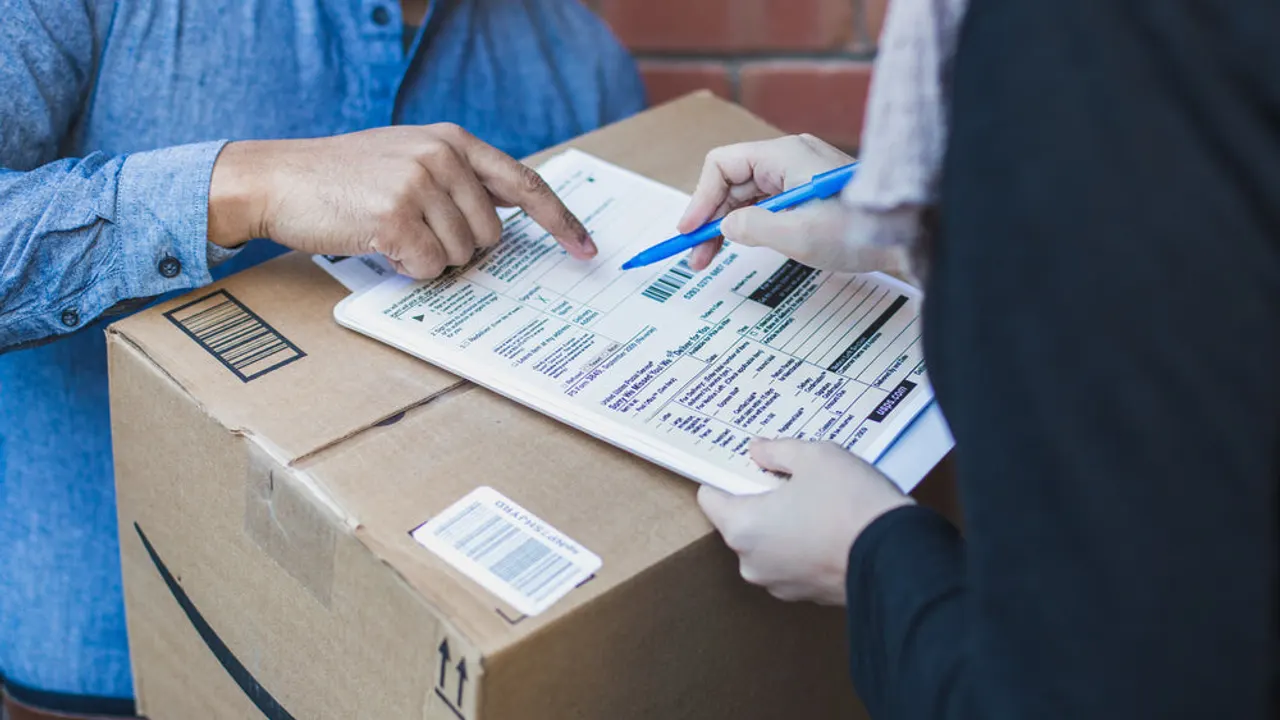
A return exhibit should separate the customer’s dispatch, carrier arrival, warehouse receipt, and inspection findings. Those events answer different questions. A tracking scan may show that a parcel reached a building; it does not identify the contents or establish the condition of the returned item.
Prepare a record that links each event to the original order and item. Keep source documents intact, describe observations neutrally, and show any gap between receipt and inspection. The objective is an accurate return chronology that can support the relevant dispute response without deciding the entire refund obligation by itself.
Match the return to the original item
Identify the order, purchased variant, returned quantity, and return reference. Where the merchant legitimately maintains unit identifiers, use them to connect the inspected item to the original fulfillment. Do not assume every parcel received from the same customer contains the item involved in the dispute.
Shopify supports records for processing returns. Shopify processing returns.
Keep the customer’s stated return contents separate from the warehouse’s observed contents. A return request may list two items while intake identifies only one. That discrepancy needs an explicit record and appropriate investigation; it should not be silently resolved by copying the requested quantity into the receipt record.
If the return cannot be matched confidently, record the uncertainty and the source of the tentative link. A handwriting match, similar product, or approximate arrival date can be a clue but is weaker than a verified return reference or item identifier.
Separate movement, receipt, and condition events
Collect the carrier dispatch and arrival records where relevant. Then identify when the warehouse received and matched the parcel, and when inspection occurred. Retain time zones or date-only limitations so the sequence remains understandable.
Shopify response guidance includes return-related records. Shopify chargeback response guidance.
Describe the carrier event accurately. Delivered to a returns building is not the same as inspected and approved. If the customer provided the tracking record, identify it as customer-supplied unless independently verified. A source label helps the reviewer assess what the merchant knows directly.
For inspection, state the date, inspector role, item scope, method, and factual findings. Avoid unsupported conclusions about customer intent or when damage occurred. If the inspection was visual only, do not present it as a full functional test. If photographs show a particular component, explain which component and how it is linked to the returned unit.
Use a return-exhibit ledger
The following reusable ledger makes the relevant event boundaries explicit.
| Event | Source | Fact supported | Limitation |
|---|---|---|---|
| Return requested | Customer request | Intended return scope | Does not establish dispatch |
| Parcel dispatched | Carrier acceptance record | Carrier received a parcel | Contents may not be independently confirmed |
| Parcel arrived | Carrier delivery record | Recorded destination event | Not an inspection result |
| Warehouse receipt | Intake record | Parcel matched to return | Condition may still be unassessed |
| Inspection | Dated findings and relevant images | Observed contents and condition | Cause or timing may remain uncertain |
| Subsequent action | Relevant merchant record | Actual action after inspection | Keep payment completion separate |
In a hypothetical example, tracking shows delivery on Monday, intake matches the parcel on Tuesday, and inspection occurs Thursday. The merchant should not date the inspection Monday merely because that is when the carrier delivered. If the customer complains about waiting after return arrival, the gap is part of the chronology.
A photo of a damaged component taken Thursday establishes the observed condition at inspection, subject to the item link. It does not automatically establish whether the damage occurred before return shipping, during transit, or after receipt. The exhibit should preserve that limit.
Assemble readable records without changing their meaning
Use a cover note that identifies the return reference, original item, event sequence, and attached source records. Give each photograph or document a descriptive label. A reviewer should know whether an image shows the outer parcel, contents at opening, or a later inspection step.
Keep unmodified originals under the merchant’s normal access controls. Any cropped or redacted copy should preserve the relevant dates, references, and condition context. Do not edit out a label or component that contradicts the proposed item match.
Reconcile quantities across the request, intake, and inspection. If a discrepancy remains, state it and identify any investigation or customer explanation. Do not assume the original request proves the parcel contained every listed item or that a warehouse note proves absence without a reliable intake process.
Submit the relevant exhibit through the available Shopify or provider route and retain what was supplied. The exhibit’s purpose is to document return movement and condition accurately. Whether those facts justify a refund, deduction, or dispute defense depends on the actual claim and applicable requirements, which should be addressed separately in the merchant’s response strategy.
Keep the dispute reason, amount and response deadline visible in Lower Chargeback while you prepare your response in Shopify or with your provider.
Related reading in this collection:
- Link a Chargeback to the Correct Shopify Order and Payment Record
- Refund Evidence: Which Transaction Records Show Money Was Actually Returned?
- The Returned Item Fails Inspection: Explain the Decision Without Accusing the Customer