
Checkout and authentication
Test Your Shopify Checkout for Dispute-Causing Surprises
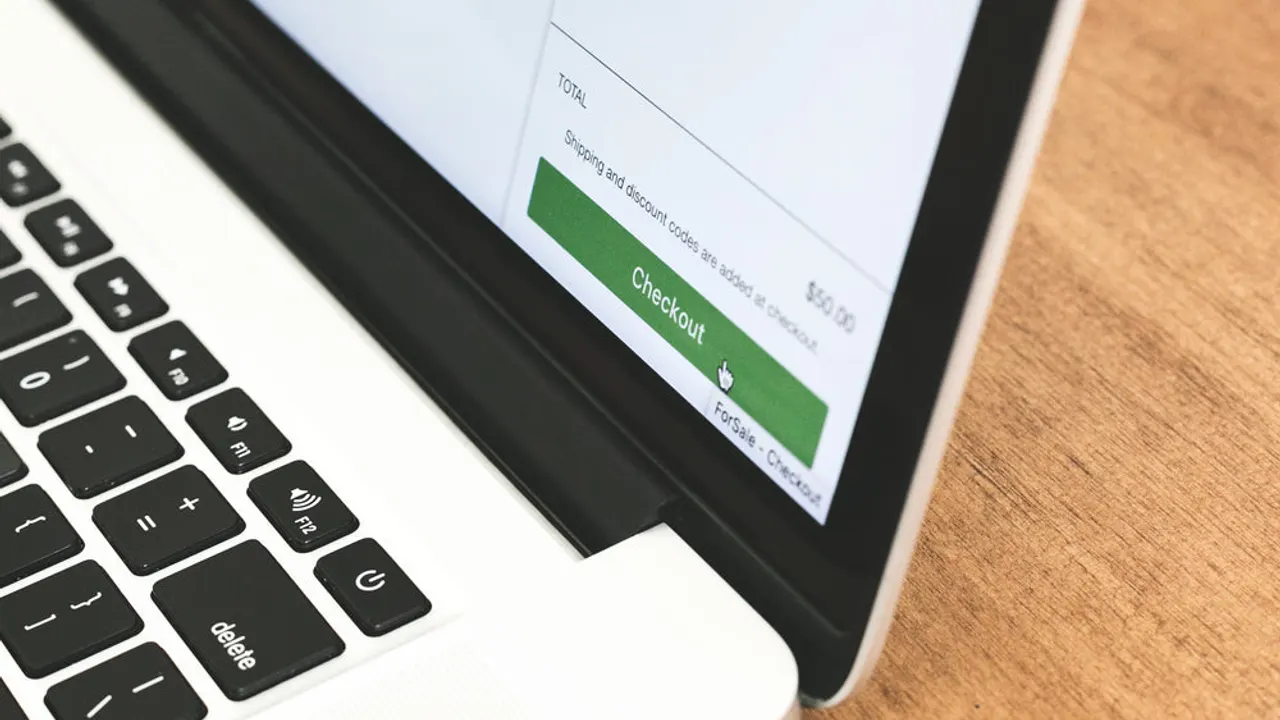
Test Shopify checkout as a complete purchase promise: the customer should understand the items, total, currency, material terms, delivery arrangement, contact route, and confirmation. A successful payment alone is not a complete acceptance test. The order must also arrive in the merchant's systems with the information needed to fulfill and support it accurately.
Choose representative paths, define expected results, and fix discrepancies before releasing the changed experience. This is a combined release checklist; detailed setting changes should follow their own guides once the test identifies the relevant problem.
Choose the paths that can differ
Include desktop and mobile, ordinary cart checkout, offered express routes, returning and first-time buyers, and relevant markets or shipping profiles. Add a discounted purchase and a split-delivery purchase if the store offers them. The matrix should reflect actual routes, not every theoretically possible combination.
Shopify's checkout guidance identifies the configurable experience. Use approved test-order methods and account for the effect of test mode on live checkout. Do not run uncontrolled real transactions or send test messages to unrelated customers.
Record the environment and date. A test completed before a theme or payment-setting change does not validate the later version. Where a payment route cannot be fully simulated, state the limitation and use the documented verification route rather than claiming a test was performed.
Run the acceptance checklist
For each path, check the following before payment:
- The selected product, variant, quantity, and purchase arrangement are clear.
- Material product-specific conditions appear before the customer commits.
- Discounts apply as advertised or explain their limits accurately.
- Shipping, taxes, duties, and other displayed charges produce the expected final total.
- Currency is clear at the final payment decision.
- Delivery expectations match the selected service and processing arrangement.
- Contact information is collected in the fields needed for support and delivery.
- Full policies and a usable help route are accessible.
After payment, verify the order reference, item scope, amount, currency, payment state, contact route, confirmation, and fulfillment handoff. A correct customer-facing screen is incomplete if the warehouse receives different items or an outdated address.
Use Shopify's policy presentation guidance when checking the supported policy links. A link should lead to the current relevant policy, not an empty template or another store's wording.
Record discrepancies as release decisions
Use this test record:
| Field | What to capture |
|---|---|
| Path | Starting page, device context, payment route, market |
| Expected result | Specific amount, term, field, or status |
| Observed result | What actually appeared or was recorded |
| Customer consequence | How the discrepancy could change understanding |
| Owner | Team responsible for the fix |
| Release decision | Block, accept with documented reason, or retest after correction |
| Verification | Corrected result and checked version |
Do not label every visual preference a release blocker. Prioritize errors that change the purchase, payment, delivery understanding, or ability to obtain help. Conversely, do not dismiss an incorrect total as cosmetic because the payment still succeeds.
A useful issue statement is concrete: “On the mobile express route, the preorder condition is absent before payment.” “Checkout feels confusing” gives the owner less to fix and the reviewer no clear completion test.
A hypothetical discounted split order
A hypothetical store offers a discount on selected items and ships part of an order separately. The test shopper enters through a product-page express button. The final total is correct, but the split-delivery explanation appears only in the skipped cart, and the confirmation describes the entire order as shipped after the first parcel.
The acceptance review identifies two distinct gaps: pre-payment delivery understanding and post-payment item-to-parcel communication. The ecommerce owner fixes the disclosure path, while operations and notification owners correct the confirmation scope. The team then reruns the affected path and checks the resulting order record.
In a second invented variation, the discount wording promises an order-wide reduction while checkout applies it only to eligible products. The release decision should address the misleading promise or the configuration, not ask support to explain the discrepancy after customers pay.
These scenarios are invented tests, not claims about a live store or measured chargeback reduction.
Finish with a release note people can use
Summarize the version tested, paths covered, material issues fixed, known limitations, and person approving release. Keep screenshots or records where they help explain the observed result, using non-sensitive test information.
Recheck the affected paths after changes to payment methods, policies, shipping profiles, product templates, or checkout fields. Broaden testing only when a change could affect another route. A focused repeat test is more useful than routinely rerunning everything without a concrete reason.
The acceptance standard is that every offered purchase path produces an understandable charge and an accurate, supportable order. That connects checkout testing with dispute prevention while keeping the work grounded in observable customer and merchant outcomes.
See the order and dispute information available in Lower Chargeback.
Related reading in this collection:
- Unexpected Shipping, Discounts, or Fees: Audit the Final Shopify Order Total
- Invalid Contact Details on a Shopify Order: Typo or Reason to Hold?