
Evidence and data quality
What Makes Proof of Delivery Useful in a Chargeback Response?
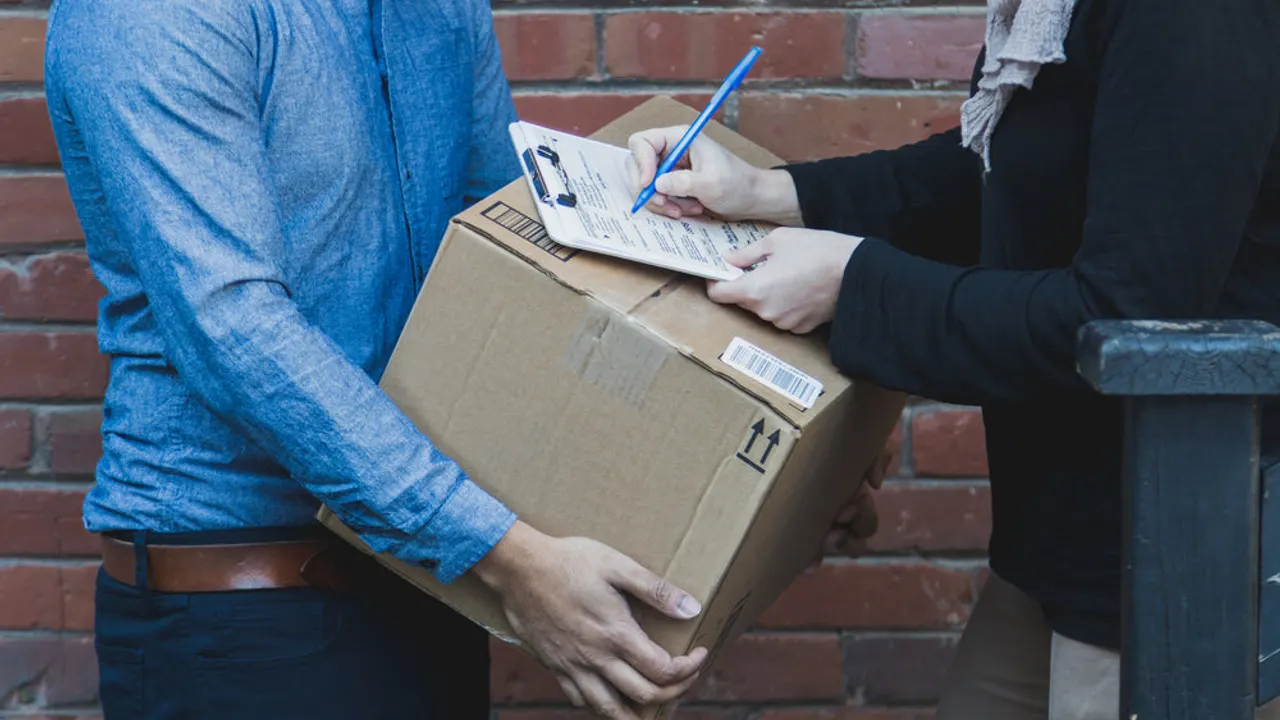
Useful proof of delivery shows a readable carrier event, the relevant destination information, and a clear connection to the disputed order and item. A tracking screenshot with no shipment linkage asks the reviewer to supply that connection themselves.
Prepare the delivery record as an exhibit with a factual caption and stated limits. The exhibit should say what the carrier recorded, when it happened, and which parcel it concerns. It should not claim personal receipt by the cardholder unless the available records actually establish that fact.
Select the carrier record that shows the relevant event
Use the carrier’s record for the correct tracking number and preserve the event date, status, carrier identity, and available destination detail. Prefer a readable capture or document that can be reviewed without signing into the merchant’s account. Keep the original source reference internally.
Shopify recommends readable evidence rather than inaccessible links. Shopify response guidance.
Do not confuse label creation, carrier acceptance, attempted delivery, and completed delivery. If the record contains several events, select the relevant sequence and keep enough context to show its meaning. A screenshot cropped to one word can hide a later return or correction.
Check legibility at ordinary viewing size. Small text, clipped tracking numbers, and overlapping browser elements can make a valid record unusable. If several screenshots are needed, label their sequence and avoid repeating the same content on every page.
Link the parcel to the destination and item
The carrier record may not display the full order contents. Use the merchant’s fulfillment record to show which item or quantity was assigned to the parcel. Identify that record separately so the reviewer can distinguish merchant-provided contents from carrier-confirmed movement.
Visa merchant guidance discusses delivery evidence. Visa merchant dispute guidance.
Compare the available destination information with the agreed shipping destination. State whether the carrier record confirms a full address, a postal area, a pickup location, or another level of detail. Do not populate a missing carrier field with the order address and present the result as a carrier-issued document.
If an approved address change occurred, identify the actual final instruction relevant to the parcel. The current order screen might reflect a change made after dispatch. The exhibit needs the destination used for this shipment, with the source of any correction explained.
Use a delivery-exhibit cover note
The following reusable cover note gives the reviewer a concise guide to the attached record.
Exhibit [label]: Carrier delivery record for [parcel reference]
This record was obtained from [carrier or provider source] on [retrieval date]. It records [exact event] on [event date and time zone if available]. The destination information displayed is [describe the actual level of detail].
Merchant fulfillment record [reference] links this parcel to [disputed item and quantity] in order [reference], paid through transaction [limited reference].
The exhibit supports [specific delivery fact]. It does not independently establish [relevant limitation, such as the identity of the person who later possessed the parcel].
In a hypothetical example, the carrier document shows delivery to a named reception desk, and the merchant’s fulfillment record maps the disputed item to that tracking number. The caption states those facts. If the document does not identify the customer as the signer, the caption does not add that claim.
The cover note is a guide to the original records, not a replacement for them. Keep the underlying carrier document and item mapping attached or otherwise supplied through the actual permitted response format.
Check completeness, privacy, and consistency
Compare the tracking number across the carrier record, fulfillment record, and response narrative. A single transposed character can disconnect the exhibit. Verify that the date refers to the delivery event rather than the date the merchant downloaded the document.
Include relevant corrections or later status changes. If the carrier updated the event after an investigation, explain which version is current and preserve the earlier record where it matters to the chronology. Do not select a stale delivered screenshot to conceal a later confirmed error.
Minimize unrelated personal information. A delivery photo may include neighboring addresses, faces, or private details that are unnecessary for the case. Apply appropriate redaction without altering the relevant package or destination evidence, and keep the unmodified original under controlled access.
Review the exhibit as a standalone reader would. Can someone identify the carrier, parcel, event, destination detail, and disputed item without opening the merchant’s systems? Can they tell which facts come from the carrier and which links come from the merchant?
Submit only through the available Shopify or provider evidence route and verify the resulting status. Preparing a strong delivery exhibit does not determine the overall dispute strategy or guarantee a win. Its purpose is narrower: to make the delivery facts clear, traceable, and accurately bounded so they can be evaluated in the context of the actual claim.
Keep the dispute reason, amount and response deadline visible in Lower Chargeback while you prepare your response in Shopify or with your provider.
Related reading in this collection:
- Link a Chargeback to the Correct Shopify Order and Payment Record
- Find and Explain 3D Secure Authentication Records in Dispute Evidence
- Refund Evidence: Which Transaction Records Show Money Was Actually Returned?