
Dispute reason responses
Defective or Damaged Product Chargebacks: What a Merchant Response Must Address
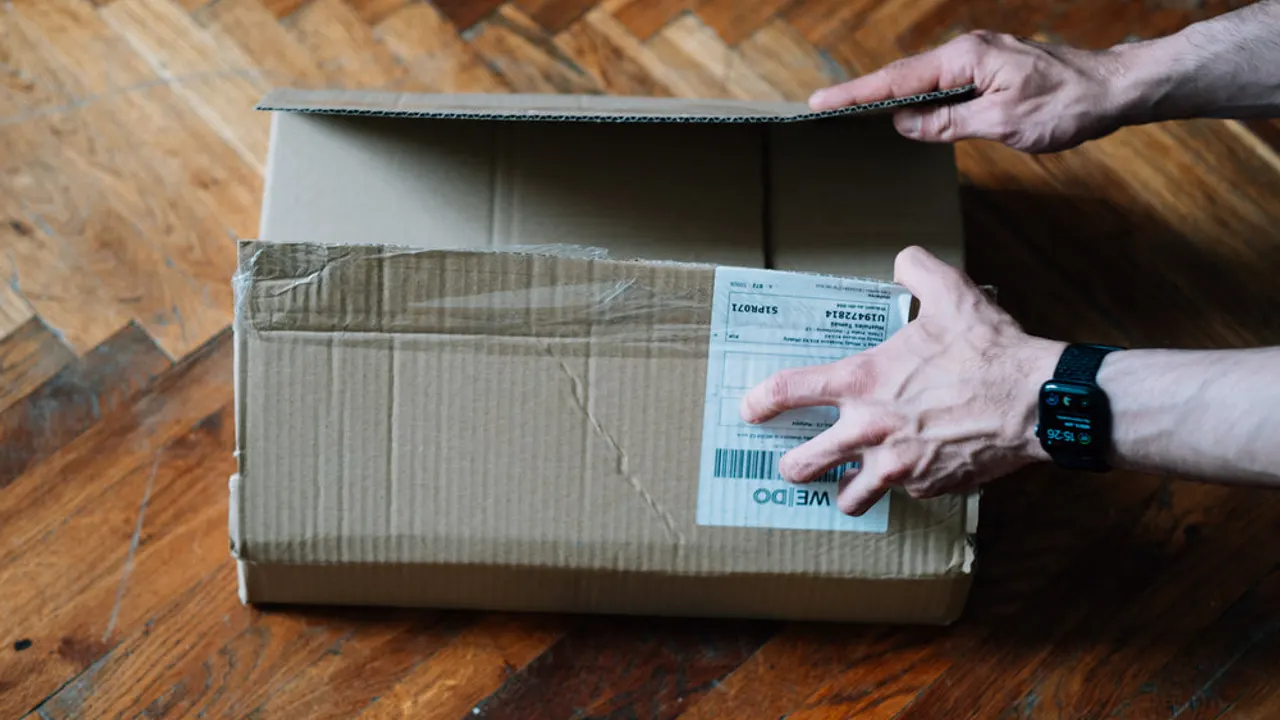
A defective or damaged-product response must address the condition the customer reports and the merchant’s actual resolution history. Showing that the correct SKU was shipped does not establish that it worked or arrived intact. Start with the alleged fault, then compare the relevant condition records before deciding whether a supported response exists.
Keep observations separate from assumptions about cause. An inspection might confirm a cracked component without establishing when the crack occurred. A pre-shipment check might establish one tested function without ruling out another defect. Accurate limits make the response more useful than a broad claim that all products leave the warehouse in perfect condition.
Define the alleged defect and the relevant item
Identify the purchased item, variant, quantity, and reported symptom. Read the customer’s own description and any available issuer statement. Distinguish damage on arrival, failure during use, incomplete function, and a service-quality complaint. Each calls for a different factual comparison.
Visa merchant guidance addresses defective-merchandise disputes. Visa merchant dispute guidance.
Record when the customer says the issue appeared and when the merchant learned about it. Do not infer that a later report proves the item was sound at delivery. Equally, do not assume every later fault existed before dispatch. The timeline is relevant, but its meaning depends on the evidence and applicable conditions.
Match every condition record to the correct unit where possible. A photograph of another item from the same batch may provide manufacturing context but should not be presented as a picture of the disputed unit. Clearly distinguish item-specific records from general quality procedures.
Evaluate inspection, repair, and condition records
For each record, identify the date, source, method, and result. A functional test should state what was tested. A visual inspection should state what surfaces or components were observed. “QC passed” is difficult to interpret without the underlying scope.
Mastercard’s guide contains reason-specific dispute requirements. Mastercard Chargeback Guide.
Compare the record with the actual allegation. A power-on check may not answer a claim about intermittent charging. A photo of unopened packaging may not answer internal damage. A repair note that says “no fault found” should identify the test conditions rather than become an unsupported assertion that the customer invented the problem.
Include contrary findings that materially affect the claim. If a later inspection confirms the reported fault, do not omit it while relying on an earlier generic check. If the record cannot establish cause, say so and focus on the condition and remedy the merchant can document.
Avoid advice about continued use when a reported condition may be unsafe. The evidence process should rely on appropriate existing records and responsible assessment, not require a customer to recreate a potentially harmful failure for a video.
Build a condition-and-remedy comparison
The following reusable table helps distinguish a contested allegation from an acknowledged quality problem.
| Question | Relevant record | Interpretation limit |
|---|---|---|
| What failed? | Customer symptom description and relevant images | Description may not establish technical cause |
| Which unit is involved? | Order, variant, and legitimate item identifier | Batch similarity is not unit identity |
| What was checked before shipment? | Dated test or inspection record | Only the recorded scope was checked |
| What was found after return? | Dated inspection or repair result | Cause and timing may remain uncertain |
| What remedy occurred? | Accepted offer, shipment, or credit record | Offer and completion are different events |
In a hypothetical case, a customer reports a charging fault. The merchant has a pre-shipment power-on check and a later repair report confirming a damaged charging port. The first record does not disprove the later finding. The response should explain the actual records and any supported question about the fault’s timing or remedy, without declaring the product defect-free.
If the merchant already promised and completed a refund, the relevant credit record should be linked to the disputed payment. If only a repair was offered, describe it as an offer and state whether the customer accepted it.
Choose a truthful case position
Lead the response with the specific condition question and the strongest relevant record. Explain the inspection scope, the customer’s report, and the completed resolution history in a clear sequence. Avoid a long description of warehouse standards that never addresses the alleged failure.
Check the live provider route, deadline, and any applicable procedural conditions. Do not assume every quality dispute can be contested or that lack of prior customer contact automatically defeats it. The actual case conditions determine what response is available.
Where the merchant’s records support the complaint and no permitted defense applies, follow the appropriate acceptance or resolution process. Coordinate any separate payment action through the provider so an active dispute and a refund do not create an unexamined duplicate reimbursement.
After any authorized submission, retain the response and verify the status. The purpose is to give the reviewer an accurate account of condition, uncertainty, and remedy. A merchant’s confidence in its products is not a substitute for evidence about the particular item and problem being disputed.
Keep the dispute reason, amount and response deadline visible in Lower Chargeback while you prepare your response in Shopify or with your provider.
Related reading in this collection:
- How to Respond to a Fraudulent Chargeback on Shopify
- Counterfeit Merchandise Chargebacks: How to Build an Authenticity Response
- Incorrect Currency Chargebacks: Separate Checkout Currency from Statement Conversion