
Dispute reason responses
Tracking Says Delivered, but the Customer Denies Receipt: A Dispute Response Guide
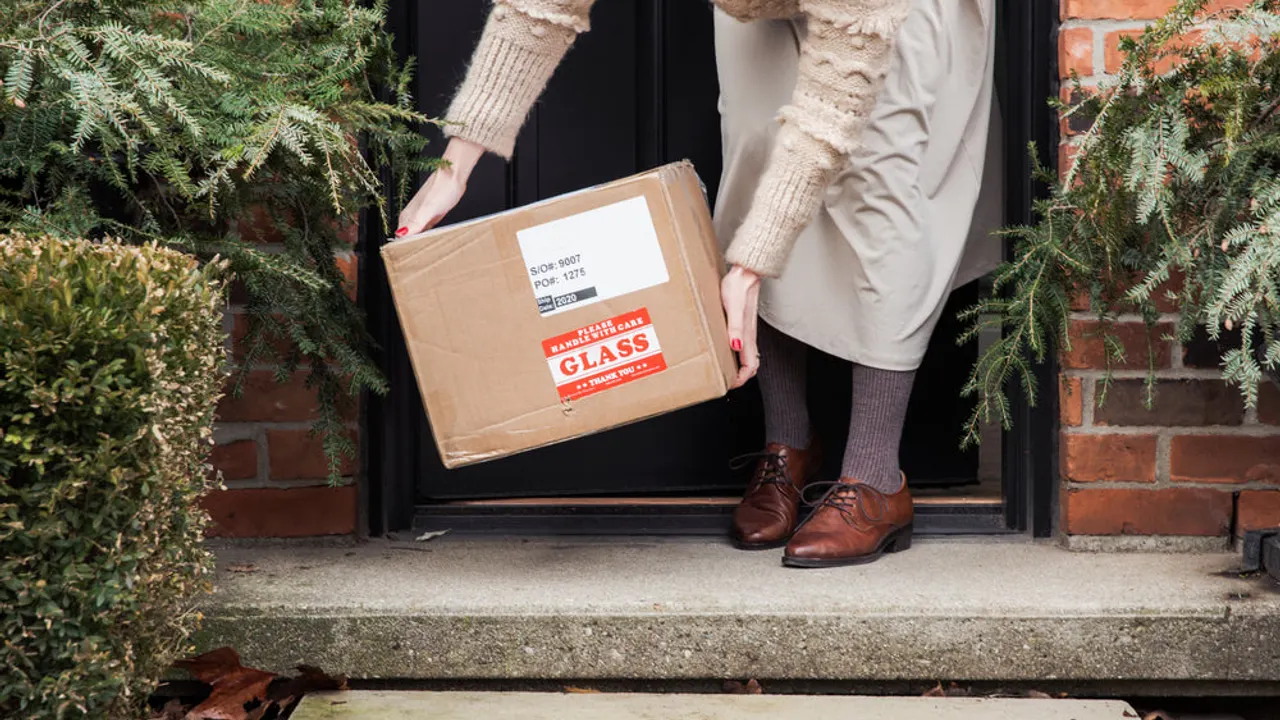
A delivered tracking status is useful evidence, but it does not by itself answer every denial of receipt. The response needs to connect the carrier event to the agreed destination and the disputed item, then explain what remains uncertain about the handoff.
Begin with the customer’s specific denial. They may say the parcel went to another building, the photograph shows an unfamiliar door, the signature is not theirs, or only part of the order arrived. Each allegation tests a different part of the delivery record. Respond to that gap rather than repeating the word delivered.
Test the destination match
Compare the address accepted for the order with the address or location information available in the carrier record. If an approved correction occurred, identify the final agreed destination and the shipment instruction actually used. Do not compare tracking against a later order edit that never reached the carrier.
Visa’s merchant guidance discusses delivery-related dispute evidence. Visa merchant dispute guidance.
Separate full-address confirmation from partial location information. A city or postal code match can support the general route but may not establish the exact building or unit. If the carrier supplies a more detailed record, explain its source and date. Do not fill missing fields from the order and then present the combined document as a carrier-confirmed address.
Link the tracking number to the parcel containing the disputed item. An order may have several shipments, and the delivered parcel could contain a different line. A strong destination match is irrelevant if it belongs to the wrong package.
Assess signatures and photographs carefully
A signature record can document an attended handoff, but identify who is named and what the carrier confirms. Do not claim a signature belongs to the cardholder unless the available evidence supports that identification. A reception or household handoff may need an explanation tied to the agreed arrangement and applicable case conditions.
A photograph can show placement and surroundings. Check whether it matches the destination and whether it clearly identifies the relevant parcel. Avoid asserting that a photo proves the customer personally received the goods. The image may document placement without establishing later possession.
Shopify notes that evidence does not guarantee a win. Shopify chargeback response guidance.
Treat inconsistent details as issues to examine. A recognizable parcel at an unfamiliar doorway deserves explanation. A signature timestamp that precedes the recorded dispatch may reflect a data error or a wrong record. Resolve what you can and state remaining uncertainty rather than removing inconvenient evidence.
Build a delivered-but-denied assessment
Use this reusable worksheet before deciding how strongly the records support a response.
| Evidence component | Question | Finding to record |
|---|---|---|
| Order destination | What address or handoff was agreed? | Verified purchase or approved change |
| Parcel mapping | Did this shipment contain the disputed item? | Item-to-tracking link |
| Carrier event | What event was recorded and when? | Exact event type and source |
| Destination detail | Does the carrier confirm the relevant location? | Full, partial, conflicting, or unavailable |
| Signature or photo | What does the artifact actually show? | Factual observation with limits |
| Customer denial | Which part of receipt is challenged? | Specific allegation answered or still open |
In a hypothetical case, tracking shows delivery to the correct postal code, but the customer says the building in the photo is not theirs. The merchant has no full-address carrier confirmation. The response should not state that the parcel was unquestionably delivered to the correct home. The available evidence supports a delivery event in the area, with a destination conflict remaining.
In another hypothetical case, the carrier’s detailed record confirms the agreed reception desk and the customer’s earlier message authorized that handoff. The merchant can explain those links, while avoiding an unsupported claim that the customer personally signed.
Write the response around the disputed gap
Lead with the specific destination and handoff evidence, then address the customer’s denial directly. A reviewer should see why the merchant believes the record answers the allegation or where it does not. Use concise captions for the carrier record, relevant photo, and agreed delivery instruction.
Keep operational carrier investigations separate from the formal response timeline. If more information is pending, check the actual case deadline and available provider route. Do not assume an open carrier investigation pauses the merchant’s response obligation.
If the records confirm misdelivery or leave the merchant without a permitted defense, choose the appropriate case resolution rather than overstating the tracking scan. A factual acknowledgment can be more appropriate than a confident rebuttal built on the wrong destination.
After any permitted submission, verify the case status through the merchant’s provider. The outcome depends on the applicable process and evidence, not the visual prominence of a delivered badge. The useful response shows the full chain from the purchased item to the actual recorded handoff and makes the limitations readable.
Keep the dispute reason, amount and response deadline visible in Lower Chargeback while you prepare your response in Shopify or with your provider.
Related reading in this collection:
- How to Respond to a Fraudulent Chargeback on Shopify
- Delivered but Not Received: A Fair First Response for Shopify Support
- Returned Parcel Received, Refund Still Waiting: Close the Warehouse-to-Support Gap